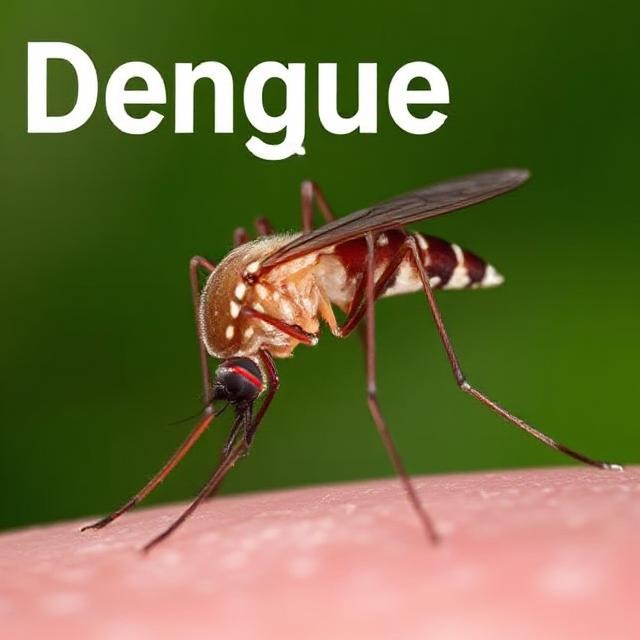
Dengue: Facts, Treatment, and Prevention – Complete Awareness
When the monsoon season arrives, mosquitoes multiply, bringing with them various fevers. Among these, special attention must be given to dengue fever. Many people worry excessively about platelet count dropping, but in reality, there’s often no need for such panic. Not everyone requires platelet transfusion in most cases, dengue resolves with simple treatment. It’s important to have the right knowledge about dengue.
What is Dengue?
Dengue viruses are transmitted through the bite of Aedes mosquitoes. Symptoms can appear anytime between 3-14 days after a bite. There are four main types of dengue viruses. A person can get infected with a particular type only once. However, if a person gets infected again with a different type, the illness can be more severe. This happens because antibodies developed from the first infection cannot destroy the second virus type, leading to stronger infection. Therefore, extra caution is necessary. If someone contracts all four virus types over their lifetime, they will not get dengue again.

Symptoms of Dengue
Not everyone infected with dengue virus develops fever only about 10% experience active infection. Common symptoms include sudden high fever, severe headache (as if the head might burst), pain behind the eyes, nausea, vomiting, body pain, back pain, joint pain, and loss of appetite. Many recover with just one or two symptoms, but some may progress to severe stages.
Treatment for Dengue
1. General Treatment:
- For mild dengue, paracetamol tablets are enough.
- Drink water mixed with ORS powder regularly.
- If vomiting occurs, anti-vomiting medicines can be used.
- Most patients recover with these measures.
2. When to Hospitalize:
- If mild treatment is not effective or severe symptoms appear.
- The severe stage begins when the blood thickens, usually lasting 24-48 hours before stabilizing.
- In some cases, conditions worsen within hours. Therefore, frequent blood tests (Hematocrit/PCV for blood thickness and platelet count) are essential.
- If plasma leaks into the lungs causing breathing difficulty, ventilator support may be needed.
Platelets Falling? Don’t Panic!
- Even if platelets drop to 40,000 or 30,000, there is usually no need to panic-death due to low platelets in dengue is rare.
- Not everyone needs a platelet transfusion.
Monitoring Platelets:
- Below 1 lakh: Stay under medical observation.
- Below 50,000: Monitor closely.
- Transfuse platelets only if:
- Count drops below 20,000 and bleeding symptoms are present.
- Count drops below 10,000, with or without bleeding.
Caution with Platelet Transfusions:
- Platelets cannot be stored like other blood products in a refrigerator.
- Transport from distant locations may cause bacterial contamination, which in rare cases can spread in the blood and become life threatening.
What Not to Do in Dengue Treatment
- No Corticosteroids: They can cause intestinal bleeding, severe drop in glucose, and reduced immunity.
- No Antibiotics: There is no specific antiviral drug for dengue; antibiotics don’t work on viral infections.
- No Preventive Platelet Transfusion: This does not reduce severe dengue risk and may lead to excess fluid in the body, requiring longer hospital stay.
- No Unnecessary Saline: Saline is needed only if oral fluids cannot be taken, hemoglobin is high, or blood pressure is very low. Reduce saline if urine output is good and blood is thin.
Warning Signs – When the Real Danger Begins
The real danger starts after the fever subsides. At this point:
- Platelets drop
- Fluid leaks from blood vessels
- Hemoglobin rises
- Blood thickens
These can damage vital organs such as the brain, liver, heart, and lungs, leading to shock syndrome. So, don’t assume recovery just because the fever is gone. Watch for warning symptoms and seek immediate care.
Prevention is the Best Protection
Prevent mosquito bites and avoid water stagnation around your home.
- Mosquitoes can bite anytime, but they are most active between 6-8 AM and 4-6 PM – be extra cautious during these times.
- Change water in flower pots and coolers regularly.
- Keep water tanks and buckets covered.
- Dispose of old tyres, coconut shells, and other water-holding items.
- Install nets on windows and doors.
- Use mosquito nets while sleeping.
- Wear long-sleeved shirts and pants outdoors.
- Apply mosquito-repellent creams on hands and feet.
Be Careful with Papaya!
Some people drink papaya leaf juice to increase platelets – this is not a good method. The juice can cause ulcers in the intestines. Similarly, overconsumption of papaya or kiwi juice can raise potassium levels, which may lower blood pressure dangerously.
With proper awareness, timely treatment, and preventive measures, dengue can be avoided and managed effectively.